
Biological Materials Science Laboratory
Understanding how biological systems organize matter to control mechanical behavior.
Our Scientific Philosophy
Biological composite materials achieve combinations of mechanical performance and damage tolerance that remain difficult to reproduce in engineered systems. Establishing the composition–structure–property relationships that enable these capabilities is a fundamental challenge in materials science.
The laboratory seeks to understand how composition and structural design principles govern the mechanical behavior and failure of macromolecular materials.
We address this challenge by combining observations from natural biological materials with controlled experimental model systems. Rather than reproducing nature, we isolate individual design principles to establish the fundamental relationships between composition, structure, and mechanical behavior.
The Laboratory addresses its fundamental scientific questions through three complementary research pillars spanning biological composite materials, controlled experimental models, and engineered macromolecular systems. Together, they form a unified research strategy for understanding how structural design principles govern mechanical behavior and failure.
Research
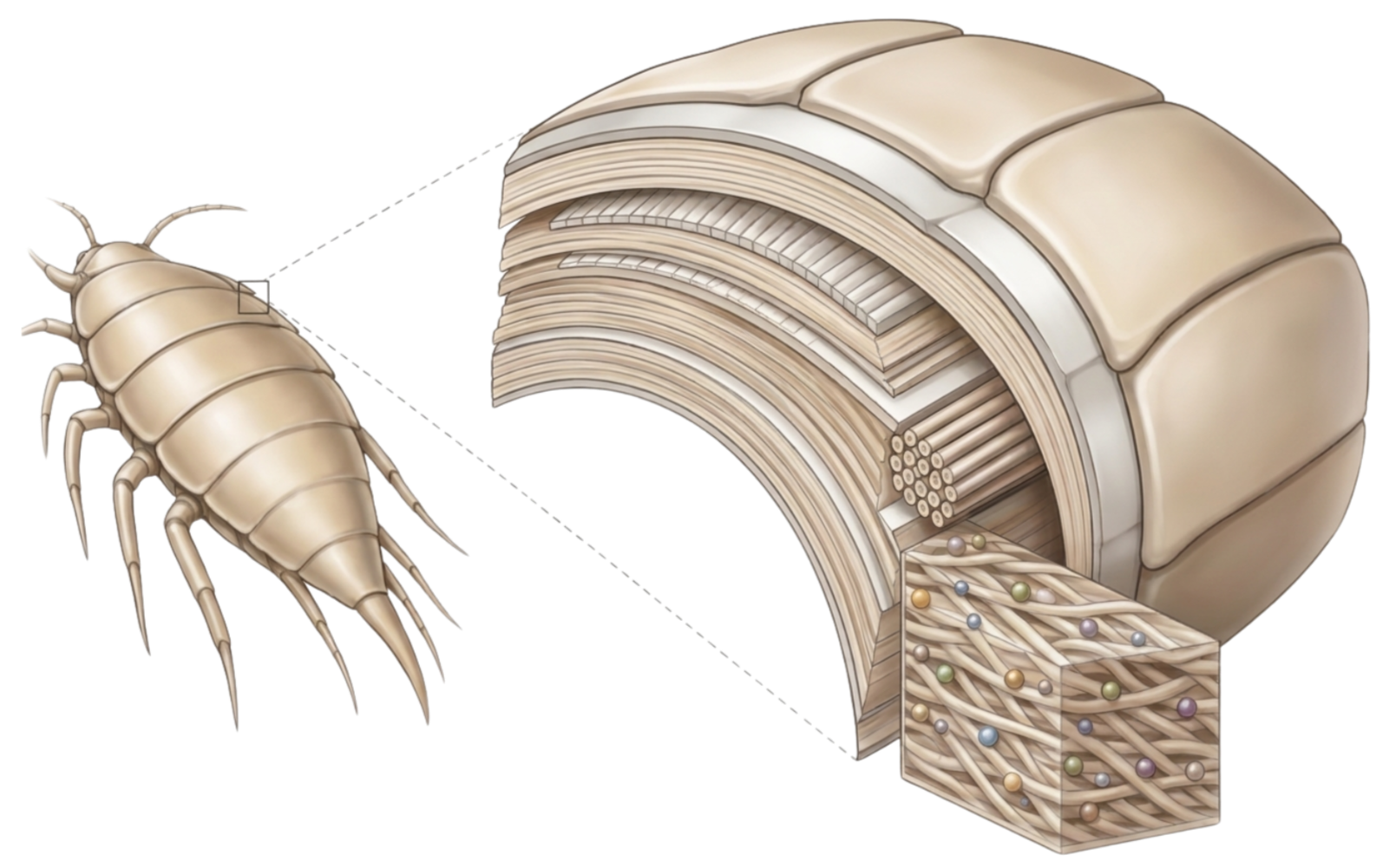
Structure-Function Relationships in Biological Exoskeletons
We identify and characterize the structural design principles governing mechanical functionality, establishing the biological foundation for the laboratory’s research.
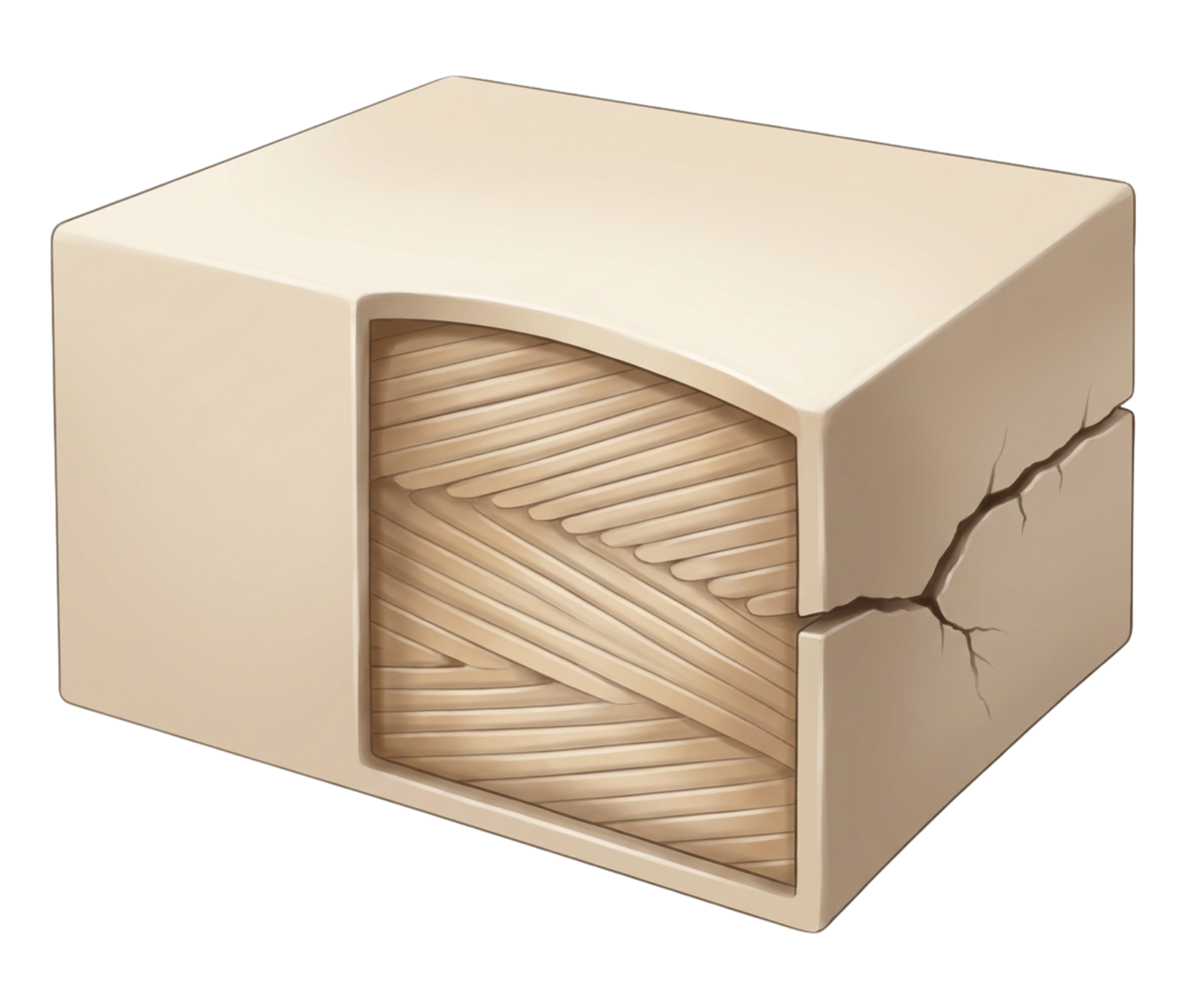
Architected Materials
By independently varying composition and architecture, we establish causal composition–structure–property relationships governing mechanical behavior and failure.
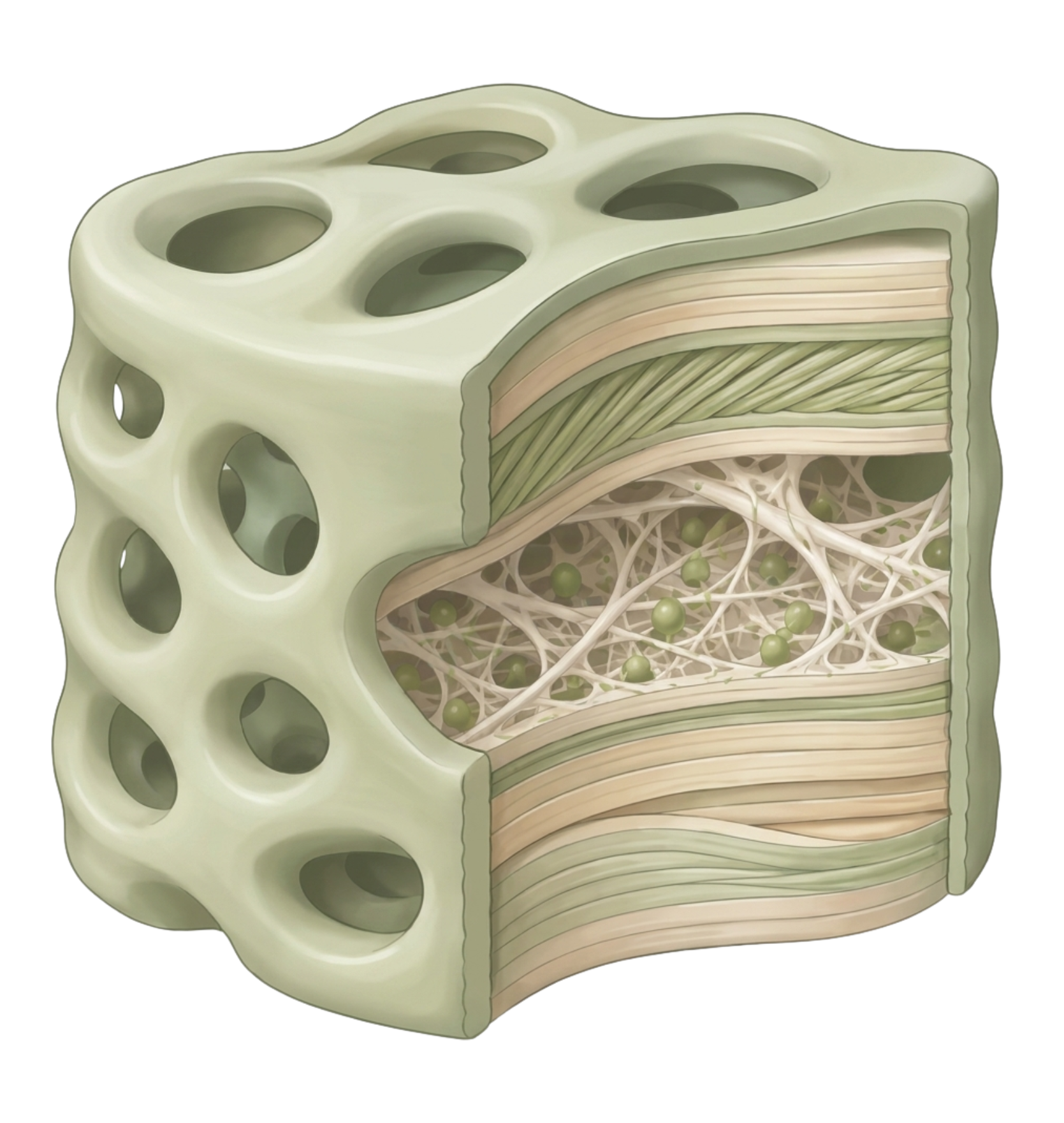
Renewable Materials and Biofabrication
We integrate validated structural design principles into renewable macromolecular systems, establishing experimentally accessible platforms for controlling mechanical behavior.
Supported By